
In the development of video, resolution has always been an important criterion for measuring video quality. Today, ultra-high-definition resolution (resolution higher than 1080P) has been popularized in all aspects: such as video source: video player/PC graphics card/camcorder supporting 4K resolution; video transmission: HDMI/DP/HDBaseT/Fiber Other cables support 4K transmission; video display: 4K display has been popularized in TVs/monitors, and even supports 8K and so on.
Under the background that each link has entered the 4K era, with the rise of small-pitch applications, the video processor as the “video processing” link of the small-pitch LED has also accelerated its 4K development process. This can be seen from the enthusiasm of processing equipment manufacturers for 4K at the 14th Shanghai International Advertising Exhibition held in Shanghai recently.
On the way to make the display better, the LED video processing manufacturers spare no effort. At this year's Shanghai International Advertising Exhibition, manufacturers including Nova, RGBlink, British Calibre, Jie Si Chuang, etc. all exhibited corresponding 4K products. For example, the 4K controller, which is the first product of Nova in the industry, can load up to 4K*2K @60HZ for a single device, and one device can handle a giant screen.
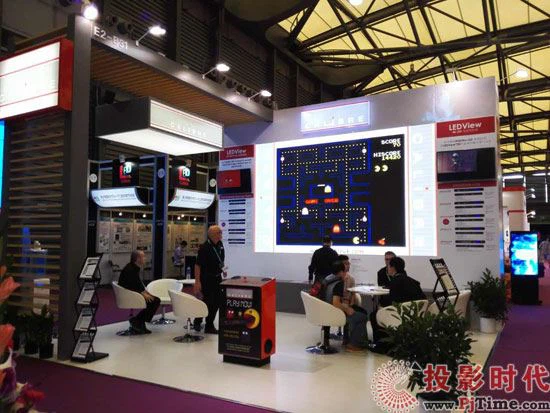
Another example is Calibre, a video image processor leader from Bradford, Yorkshire, UK, which showcased its latest products in China for the first time at this exhibition, including its newly launched HQUltra 4K LED zoom-switcher. As the industry's fastest zoom-switcher, HQUltra can switch the input channel signal in 0.25 seconds with extremely short delay. The Calibre HQUltra 4K series affects users in the fields of audio-visual, IT, business entertainment and live events, and brings new experiences to users.

As the pioneering brand of domestic LED display video image processing equipment, Vivo Video has always pursued excellence, innovated continuously, and innovated video image processing technology to match the current small-pitch LED display with the best posture to maximize the display effect! At this advertising exhibition, Vivo Video exhibited a variety of products that support 4K, including LVP609 series LED true 4K ultra-clear processors, LVP608 series 4K2K LED video processors, LVP909 series LED high-definition video processors, etc., for the industry With the latest functional technology.
Among them, LVP609 is a true 4K ultra-clear processor developed specifically for 4K small-pitch screen splicing. Compared with the LVP608 4K processor, it has more powerful functions. It receives 4K2K_60Hz ultra-clear video signals on a single port and outputs synchronously point-to-point. The maximum splicing capability of a single machine 8K2K, total pixels can reach 16 million. In order to cooperate with the control demonstration of LVP609, Vivo Video built a high-definition LED display, and the real and beautiful visual experience attracted a large number of visitors.
In addition, in addition to the classic best-selling products of the VENUS X series, RGBlink focused on displaying 4K/12G architecture video walls and multi-layer switching processors. Among them, RGBlink C4 is a 4K-level processing equipment tailor-made for rental customers and designed from the "heart". Not only can the cutting and arching of 4K video be completed, but also the preview and main output of 4K signals can be handled calmly. Its launch once again leads a new technology and market innovation at the 4K level.
Summary: In short, small pitch means "high density". As the dot pitch of LED screens gets smaller and smaller, the higher the requirements for the carrying capacity of the LED video processor will be. The small-pitch display requires higher-definition images and videos as input, which poses a challenge to the processor’s load capacity. The video processor is required to have higher resolution image output capabilities, higher resolution and more channels. Multiple video image input capabilities, more channels of real-time video window screen display capabilities. On the other hand, from the perspective of applications, according to statistics, in 2015, 60% of users will have a 4K demand when buying a video processor. By 2016, this demand will only increase. Therefore, whether it is from the development trend of technology or user needs, it is imperative for UHD to replace HD as standard equipment. From the products launched by many manufacturers at this exhibition, it can be seen that with the active intervention of manufacturers, 4K It has been extended from other display technology categories to the LED small-pitch industry, and has achieved full dredging.


