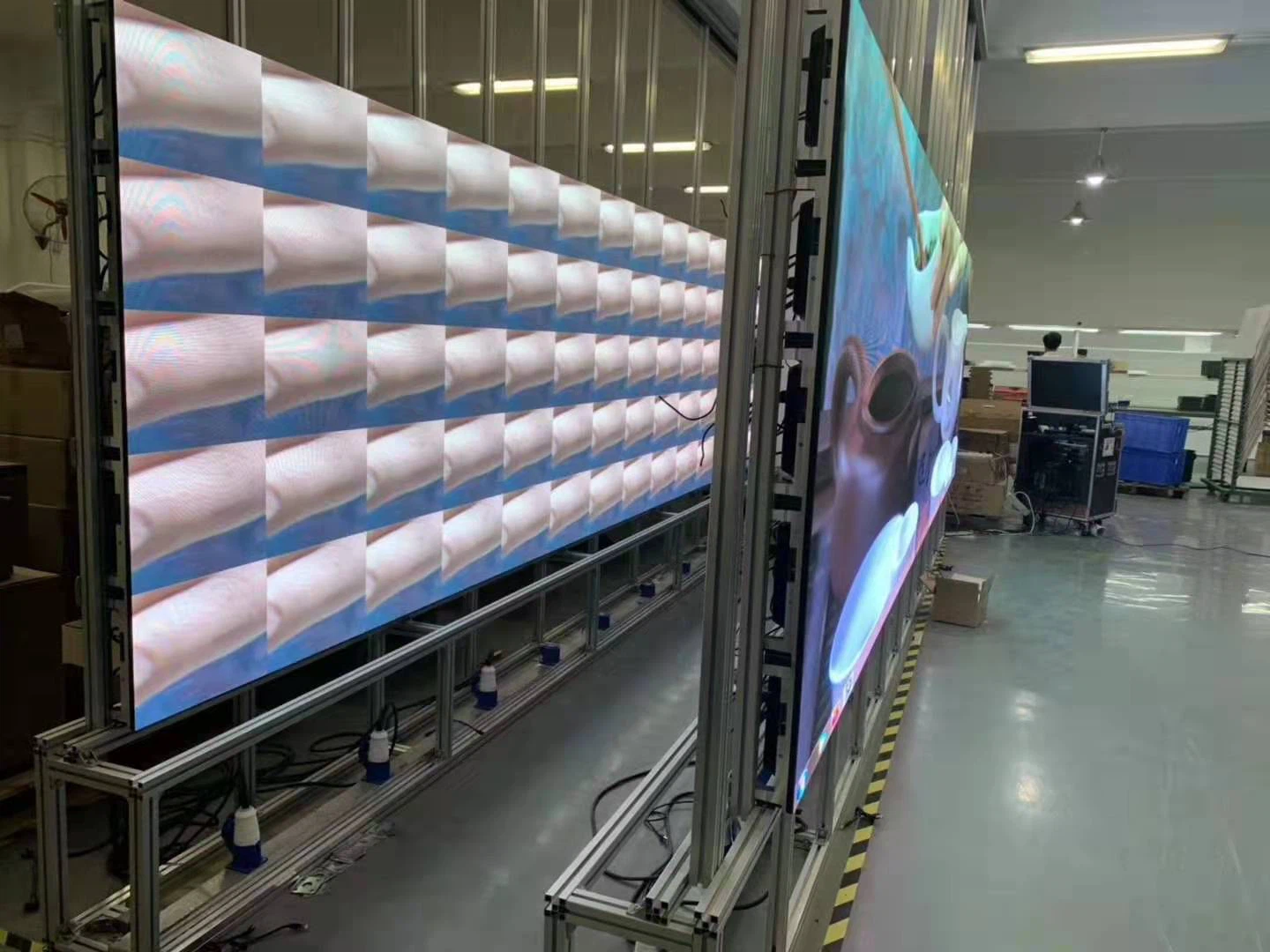
First of all, aging is an important guarantee for the reliability of LED electronic display products. It is also a procedure that must be followed after each display is completed. If there is no aging display, whether it is indoor, outdoor, or monochrome, two-color or full-color , Are unqualified products. And LED products can improve performance after aging, and help stabilize the performance in later use.
The aging test is a very important link in product quality control, but it is often overlooked in many cases, and it is impossible to carry out correct and effective aging. The LED aging test is a countermeasure taken based on the characteristics of the product's failure rate curve, that is, the bathtub curve, so as to improve the reliability of the product.
Secondly, LED aging methods include constant current aging and constant voltage aging.
1. Constant current source means that the current is constant at any time. If there is a frequency problem, it is not a constant current. That is alternating current or pulsating current. AC or pulsating current source can be designed to have a constant effective value, but this kind of power source cannot be called a constant current source. Constant current aging is the most scientific LED aging method in line with the working characteristics of LED current;
2. Overcurrent impact aging is also the latest aging method adopted by manufacturers. This type of aging is carried out by using a constant current source with adjustable frequency and adjustable current to judge the quality and expected life of the LED in a short time, and can be selected There are many hidden dangers that cannot be ruled out by conventional aging.
Finally, the matters needing attention during the aging test are as follows:
1. The display screen aging test must be attended by someone, and if any problems are found, report to the engineering manager for handling.
2. Monochrome and gray scale gradient test shall not be less than 48 hours.
3. The test time for the white screen of the display screen is not less than 48 hours.
4. The video and text effect test shall not be less than 48 hours.
5. Test content: white screen, red, green, blue, monochrome, gray gradient, video effect, text effect.